Kudremukh Trek, Bangalore
Kudremukh Trek
Book your trekking package for Kudremukh, Netravati, Kodachadri and Kurinjal online, at the best price.
Book Now4.6/54.2K Review
5000+Booked
3D/2NDuration
₹2,579Per adult
Images
Kudremukh Trek Package & Inclusions
Everything you need to know before booking. Clear inclusions, transparent exclusions — no surprises.
| Duration | 3D/2N |
|---|---|
| 1st Meeting point | Karachi Bakery |
Kudremukh Trek without Transport
₹2,579
₹3,123
No hidden charges
- Transport: Transport from Bangalore to Bangalore
- Stays: Accommodation would be provided in Tents/Homestay. Stay in camps on 2/3 sharing basis with amenities like mattresses and sleeping bags. Common Washrooms at the Campsite/ Homestay
- Meals: 2 Breakfast (Veg), 1 Lunch (Veg), 1 Dinner (Veg and Non-Veg)
- Activity: Trekking to Kudremukh Peak
- Permits: All necessary permits and entry fees for the trek. Tour Leader. A professional trek leader will be available. 1 Trek Leader will operate a group of 15-20 members.
Kudremukh Trek with Transport from Bangalore
₹3,599
₹4,373
No hidden charges
- Stays: Accommodation would be provided in Tents/Homestay. Stay in camps on 2/3 sharing basis with amenities like mattresses and sleeping bags. Common Washrooms at the Campsite/ Homestay
- Meals: 2 Breakfast (Veg), 1 Lunch (Veg), 1 Dinner (Veg and Non-Veg)
- Activity: Trekking to Kudremukh Peak
- Permits: All necessary permits and entry fees for the trek. Tour Leader. A professional trek leader will be available. 1 Trek Leader will operate a group of 15-20 members.
Exclusions — Not Included
- Personal expenses: Souvenirs, tips, personal shopping and extra snacks are not included.
- Travel insurance: it is not provided by us by default
Book the Kudremukh Trek Enquire
Leave your name and number — we will call you back with dates, availability and the full itinerary.
Knowledge Box
About Kudremukh National Park
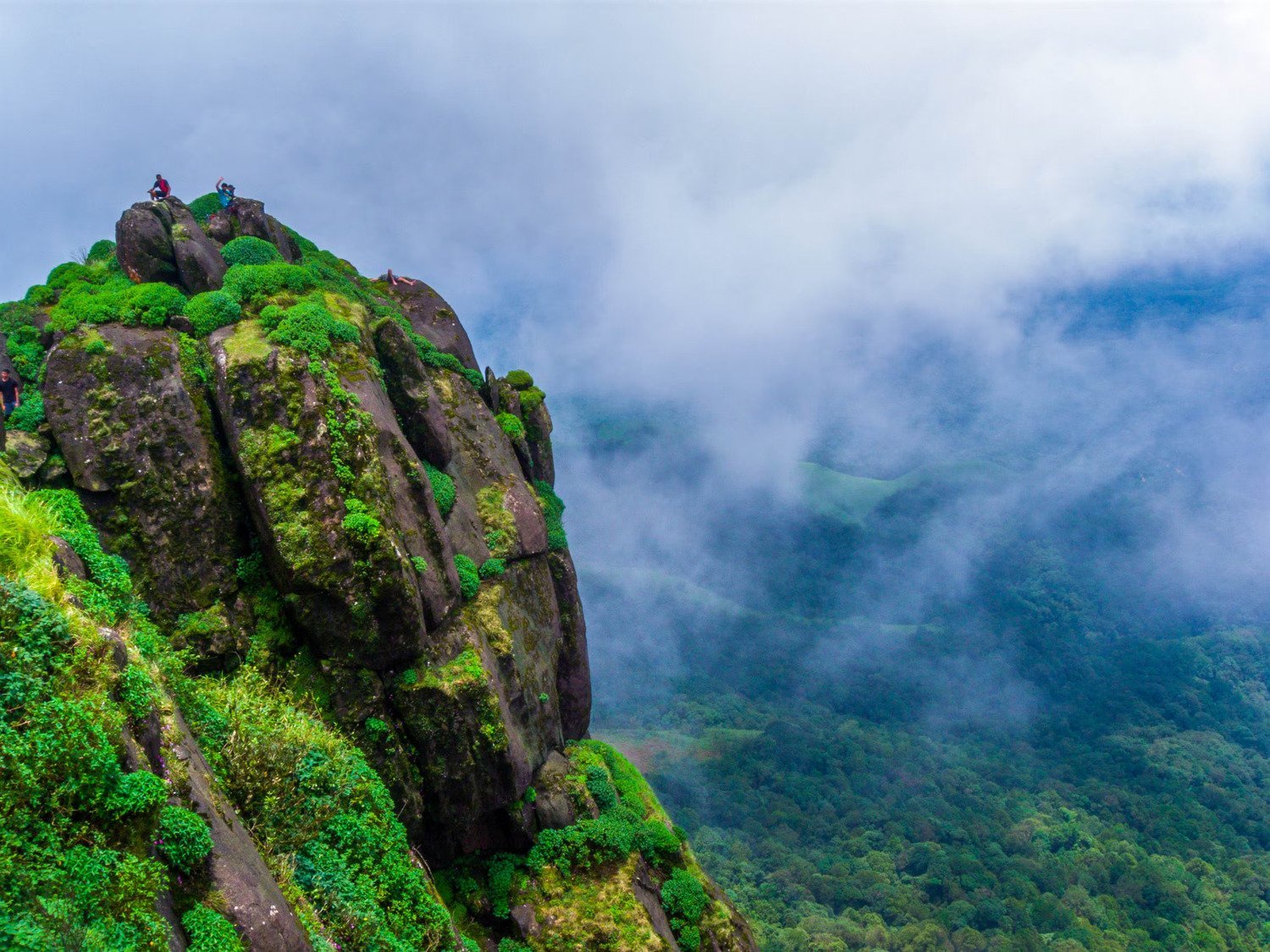
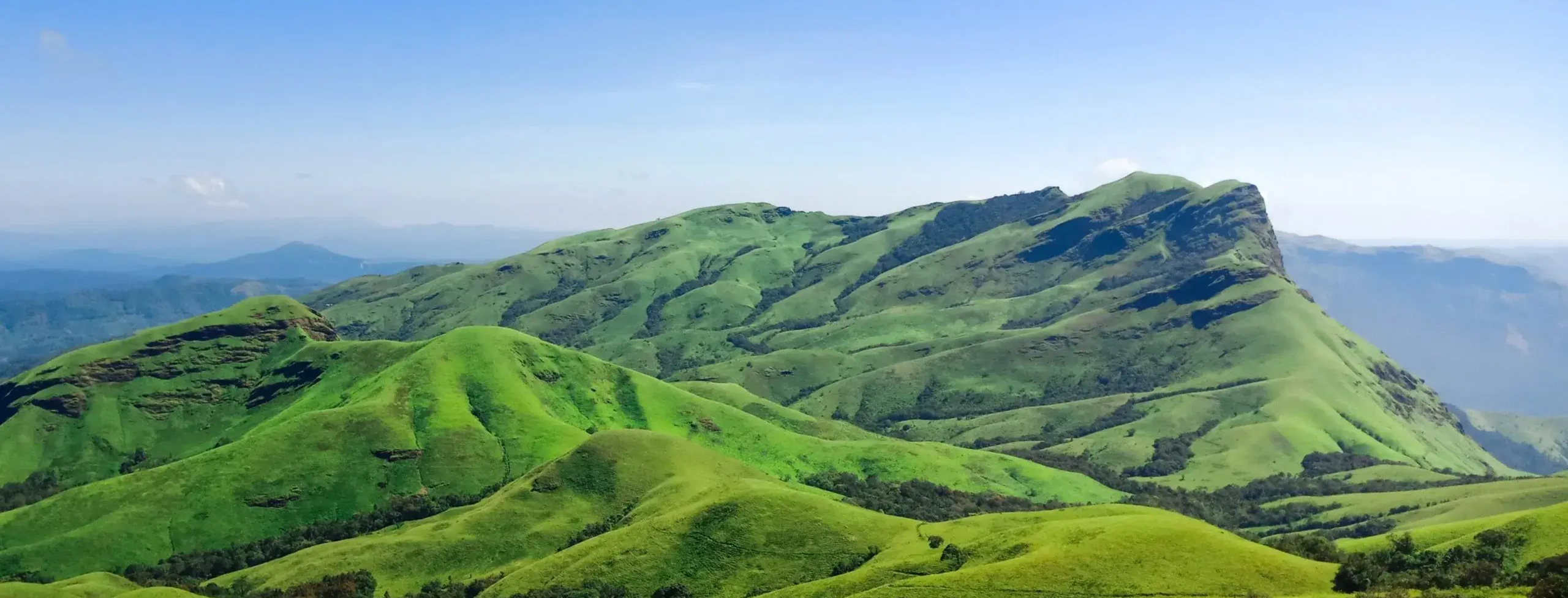
The Kudremukh National Park is named this due to the unique shape of the Kudremukh peak, horseface. The broad Kudremukh hills overlook the majestic Arabian Sea, with steep precipices and deep valleys chaining the hills together. Spanning over 600.57 square kilometres between Dakshina, Kannada, and Chikmagalur districts. This houses many wildlife like leopard, sloth bear, sambar, mongoose, sloth bear, gaur, and more. One of the most sought-after animals to spot here is the tiger and elephant. A UNESCO World Heritage Site, it is declared as one of the 34 biological hotspots in the entire world. It is because of the tropical biological richness here.
Kudremukh National Park Safari is the most sought-after, exposing you to much wildlife and rich vegetation here. Apart from this, you also get to witness the beautiful waterfalls, take a dip in the natural pool, or go trekking through the various trails like the Netravati or Kudremukh peak trek, Gangadikal, and Seethabhumi peak. Moreover, you should also head to the Goddess Bhagavathi shrine and the 1.8-meter-high Varahha image in the cave.
Trekking in Kudremukh
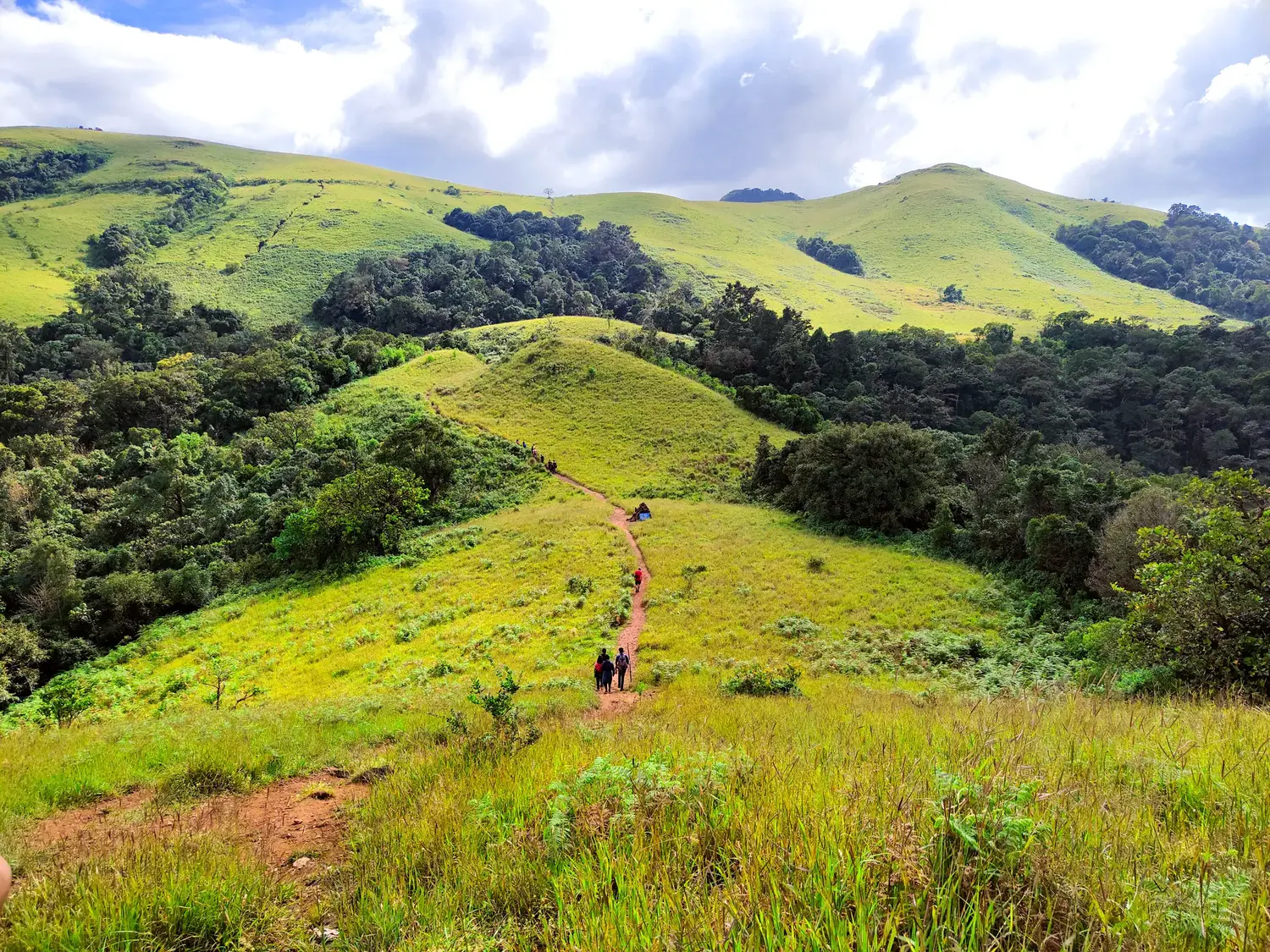
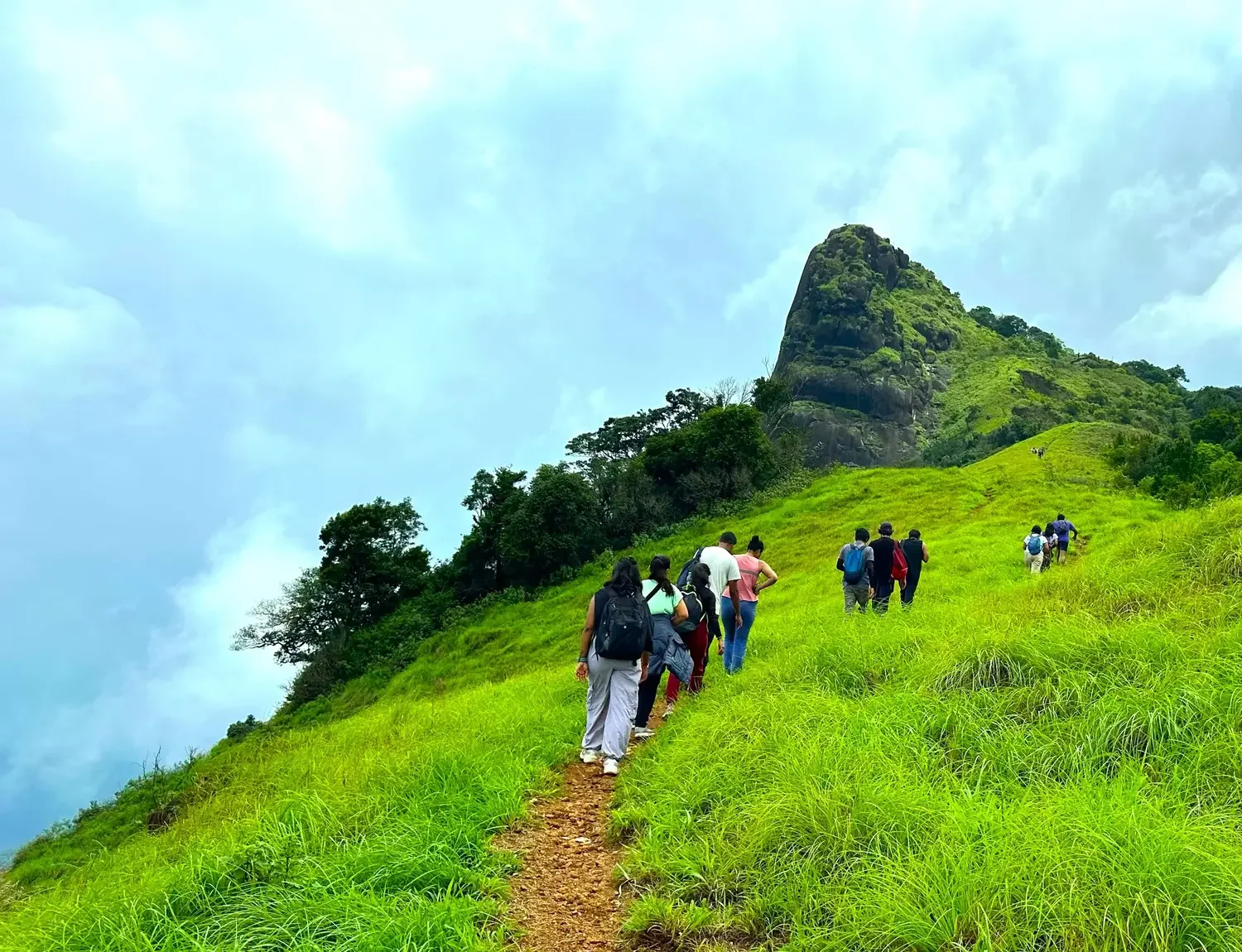
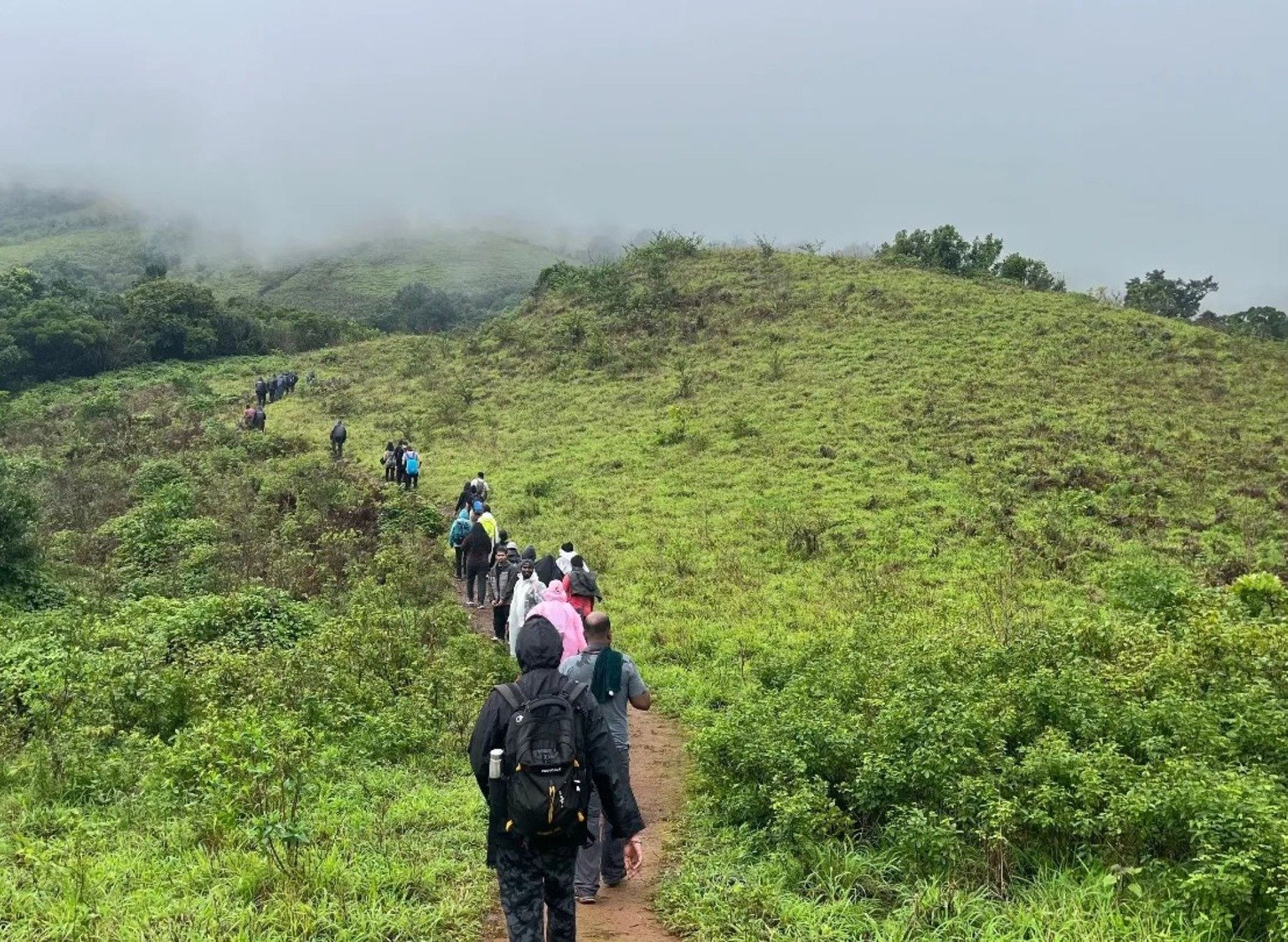
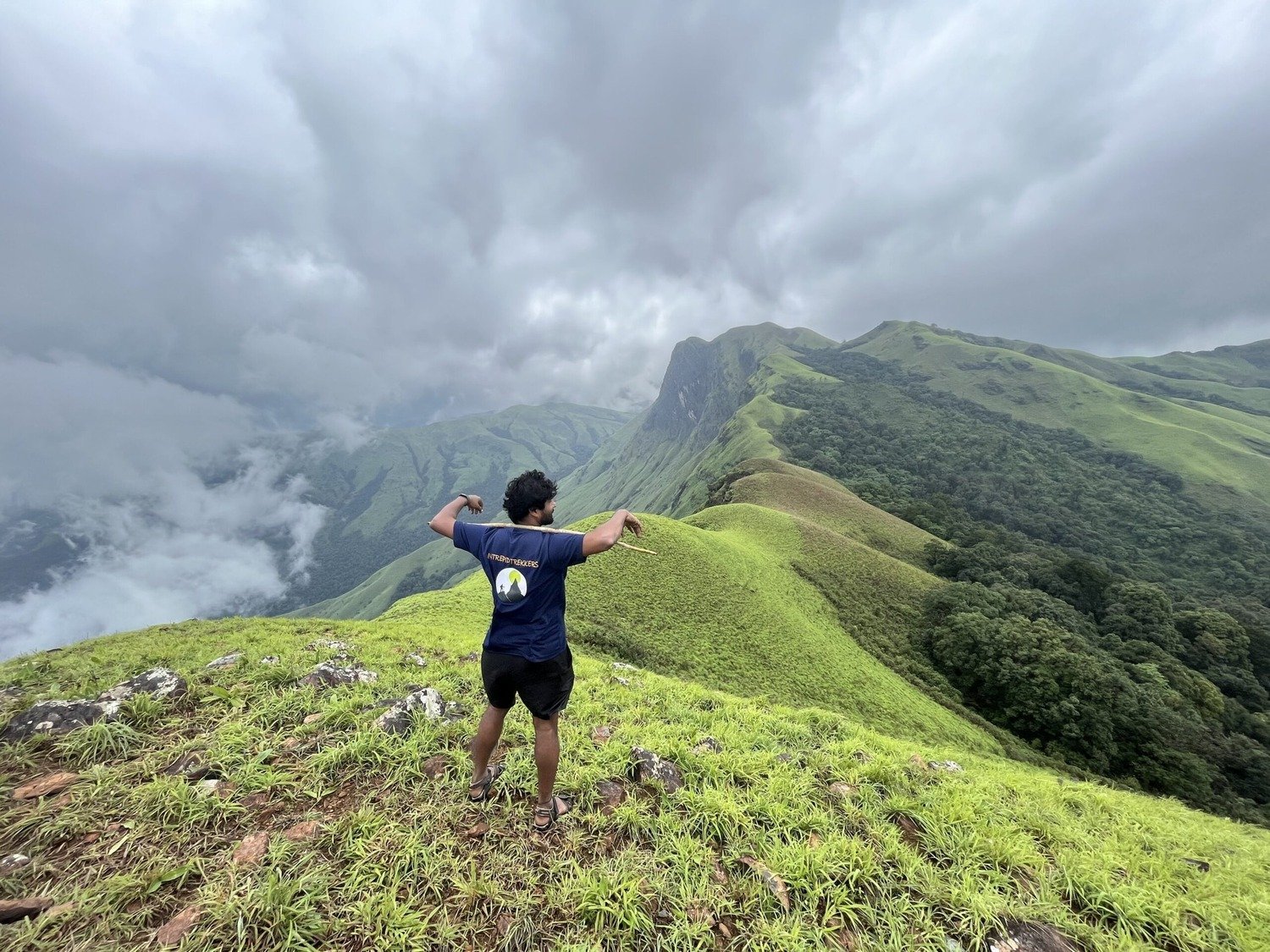
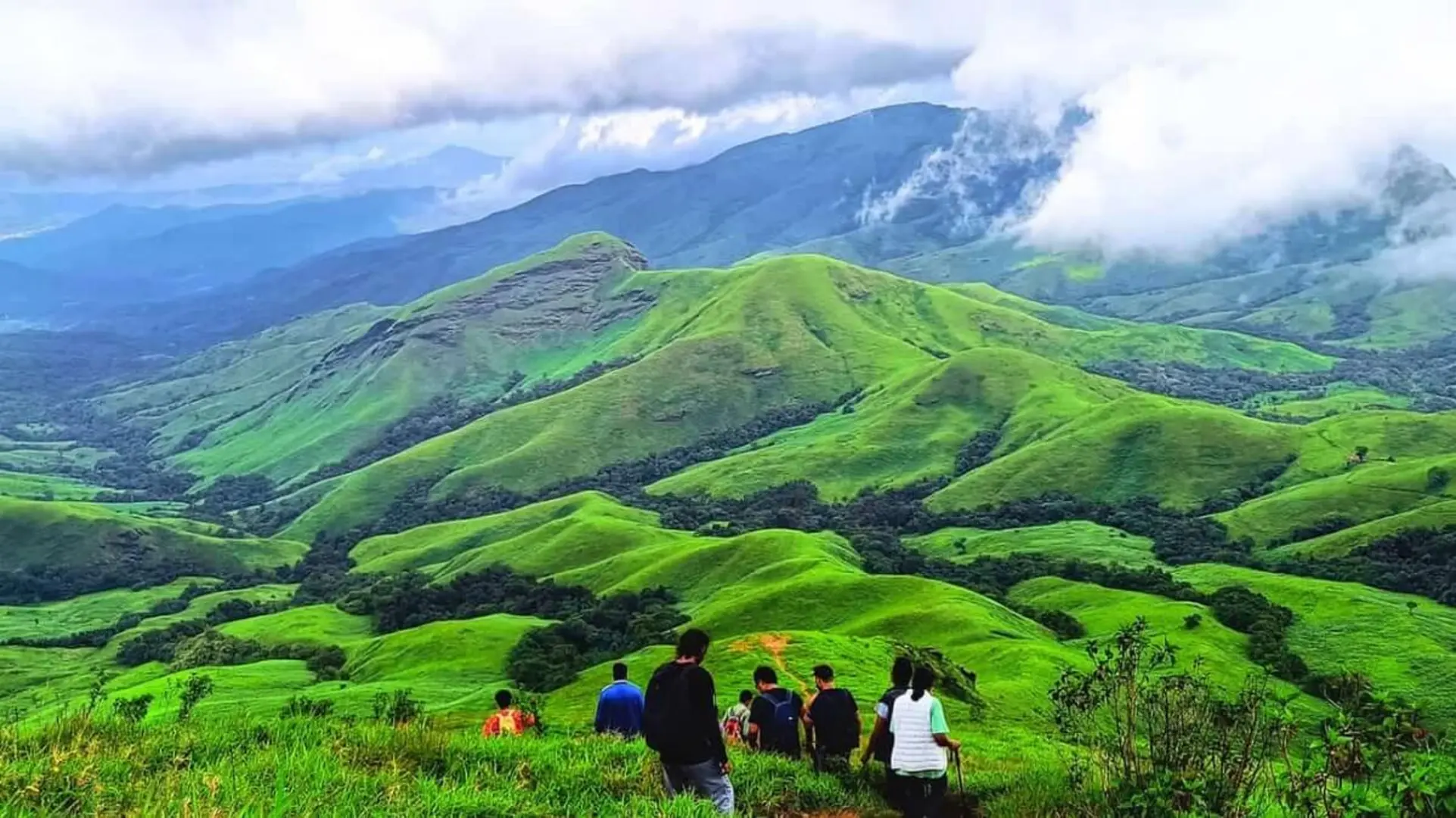
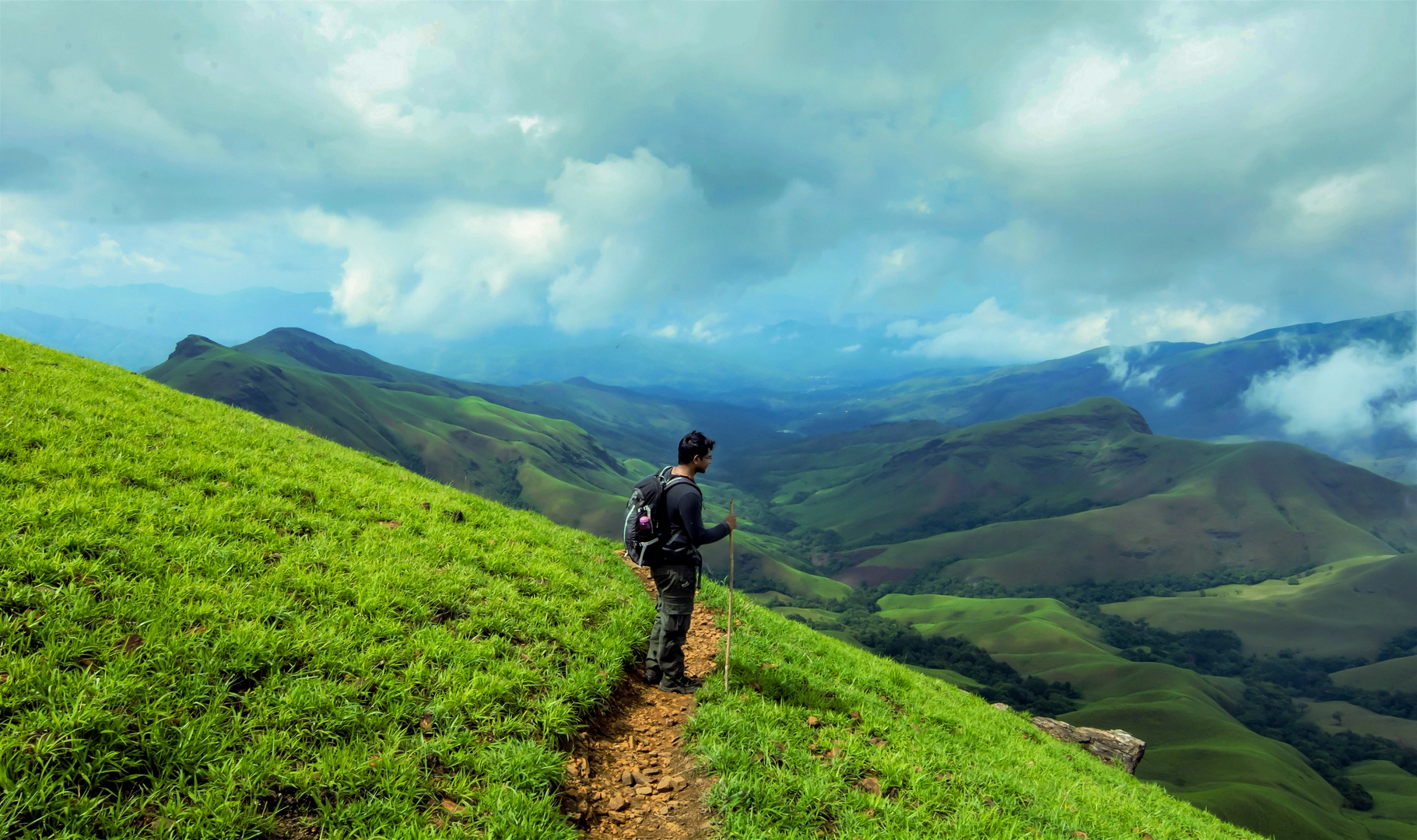
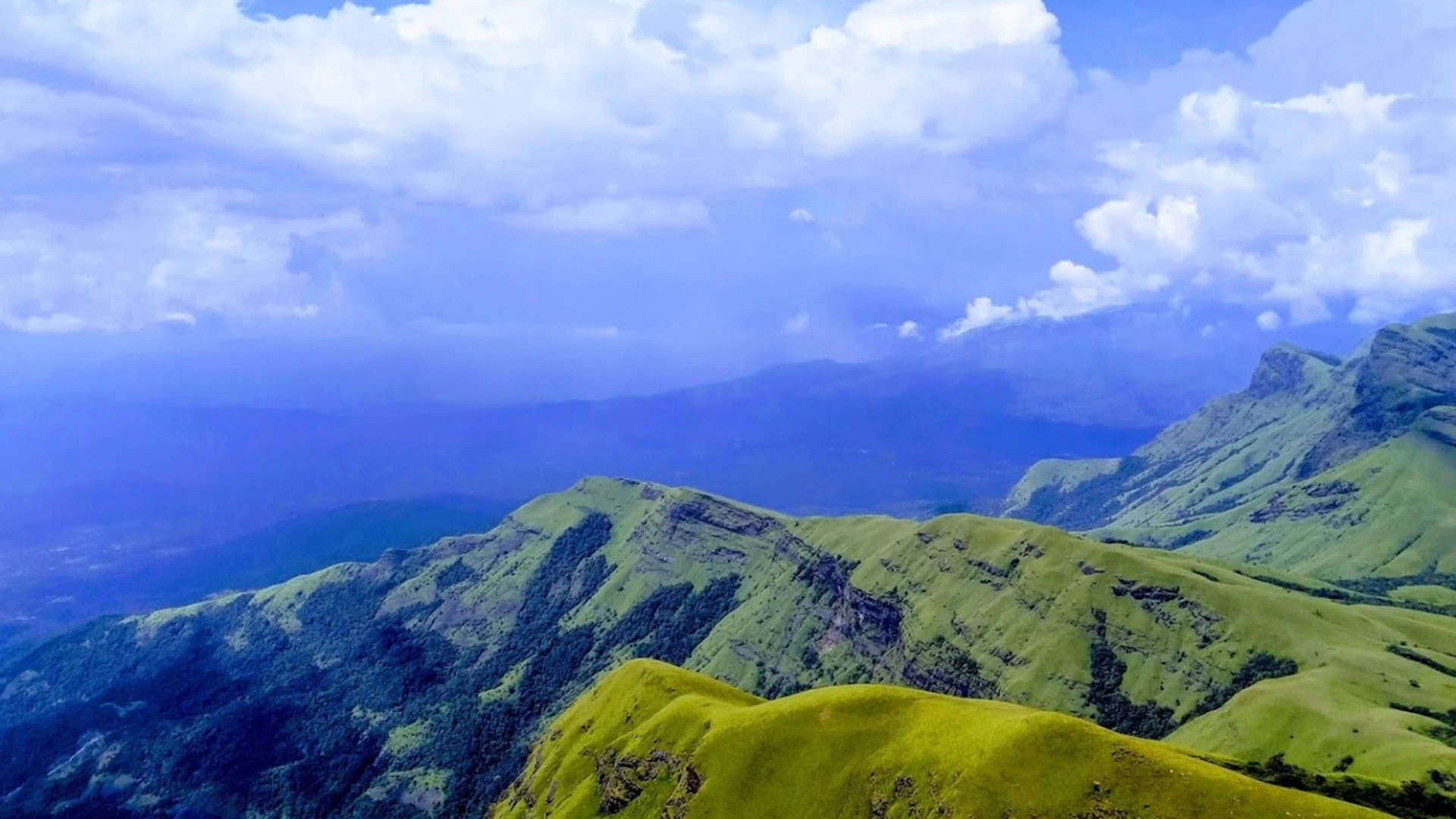
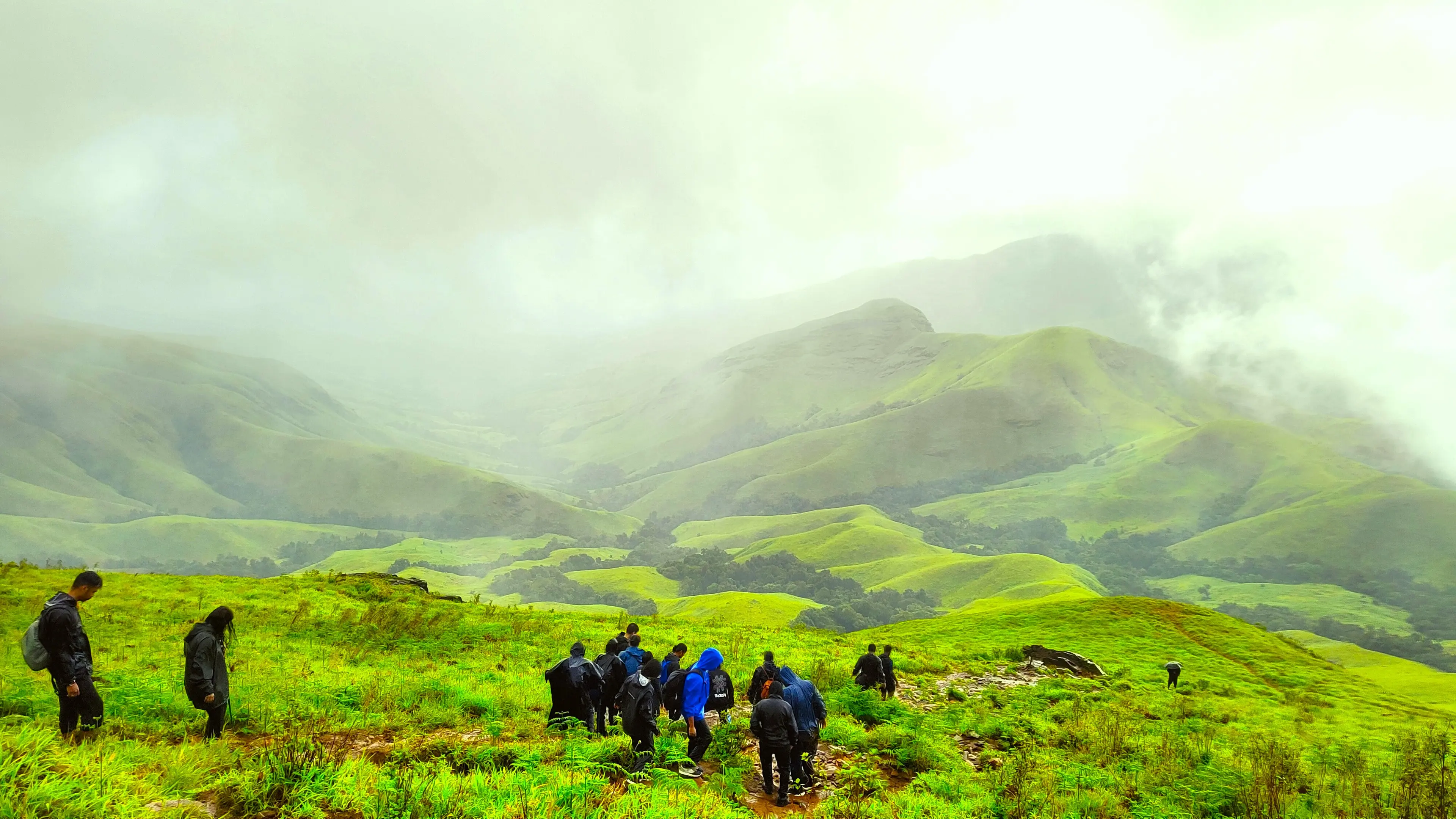
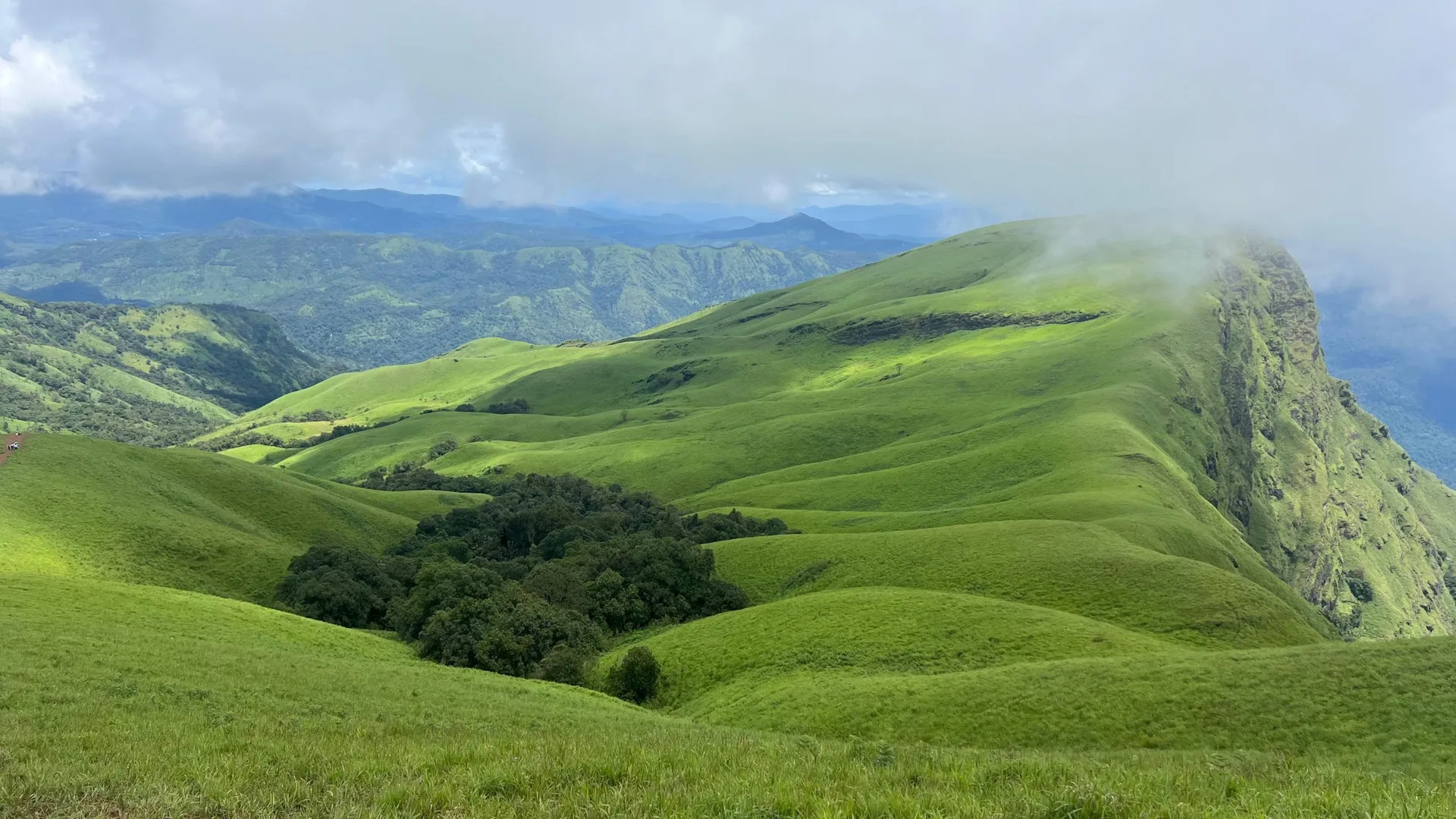
One of the major attractions in Kudremukh National Park is the trekking trails you will find here. Many trek lovers come here to enjoy the Kudremukh trails, exposing them to beautiful views and wildlife. The landscape is adorned with rolling hills, diverse flora & fauna, and lush vegetation, making it an ideal place for trekking. One of the best trekking trails here is Kudremukh Peak, the third-highest peak in Karnataka. Here are a few details about trekking via Kudremukh National Park.
History
The Kudremukh National Park was designated the title of natural reserve in 1916 during British rule safeguarding the endangered tigers. In the late 20th century, the Kudremukh township and the nearby areas grew primarily as iron-ore mining centers. The public sector Kudremukh Iron Ore Company Limited, or KIOCL, was one of the largest iron ore companies in the world until 2006. It was shut down after operating for over 30 years as it was a threat to the Kudremukh biodiversity hotspot. The conservationists are concerned about preserving the region’s beauty along with the animals. Cut to today, it is now one of the best and most sought-after national parks in Karnataka.
Wildlife of Kudremukh
The fauna of Kudremukh National Park is equally impressive, with a wide range of species inhabiting the area. The park is a haven for birdwatchers, with species like the Malabar trogon, Malabar whistling thrush, and the great Indian hornbill being commonly sighted. Mammals such as the Indian bison, sambar deer, wild boar, and the elusive leopard can also be spotted in the park. Reptiles like the king cobra, Indian rock python, and several species of frogs and lizards add to the park’s biodiversity.
Flora and Vegetation
The vegetation here is abundant. The area receives over 7000 mm of rainfall every year. This is the reason why it is a dense forest cover populated by semi-evergreen and evergreen forests. There are six types of vegetation, including shola, dense forest, and high grasslands. There are also 89 species of plants and 12 sub-species. The grasslands are spread beautifully, and the National Park of Kudremukh is the largest area of high-altitude grasslands. Also, you will find many endemic or endangered species of fauna. Rare plant species like South Indian Jewel Orchid and Nilambur Cobra Lily, on the verge of extinction, are preserved in this national park.
Best Time to Visit
Kudremukh National Park has a temperate climate as it is engulfed by magnificent hills and lush greenery. The temperature of the national park is somewhere between 25°C and 19°C. The place is ideal for visiting year-round, but to ensure you have the best time here, you should head here between October and May. During this time, the park is beautiful and glorious. However, if your sole motive for the trip is taking wildlife photography or spotting animals, then head here between December and February.
Weather and Temperature
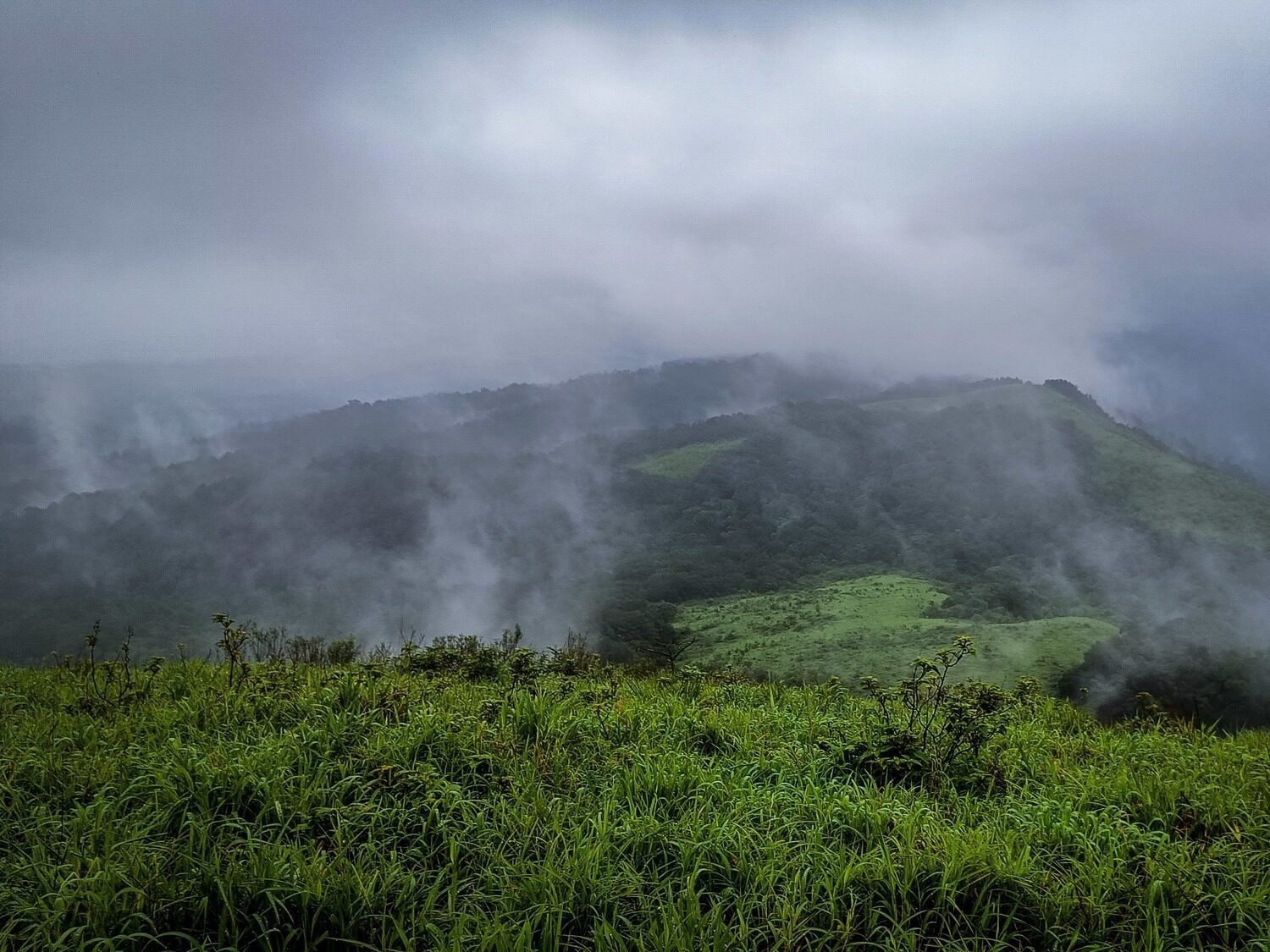
Kudremukh National Park has a tropical monsoon climate. You will witness heavy rainfall and moderate temperatures year-round. The monsoon season starts from June to September, bringing in the most rain and creating lush green landscapes. The average temperature in the winter season from November to February is usually 15 °C. Moreover, the summer months from March to May have a temperature of 25 °C. The misty mornings, cool afternoons, and evenings add to the serene atmosphere of the park. The high altitude around Kudremukh Peak results in cooler weather compared to the nearby lowlands. The best time to visit Kudremukh National Park is from October to May or December to February. These months are ideal not just for wildlife safaris but also for trekking and hiking.
Why Kudremukh National Park is Amazing Weekend Getaways
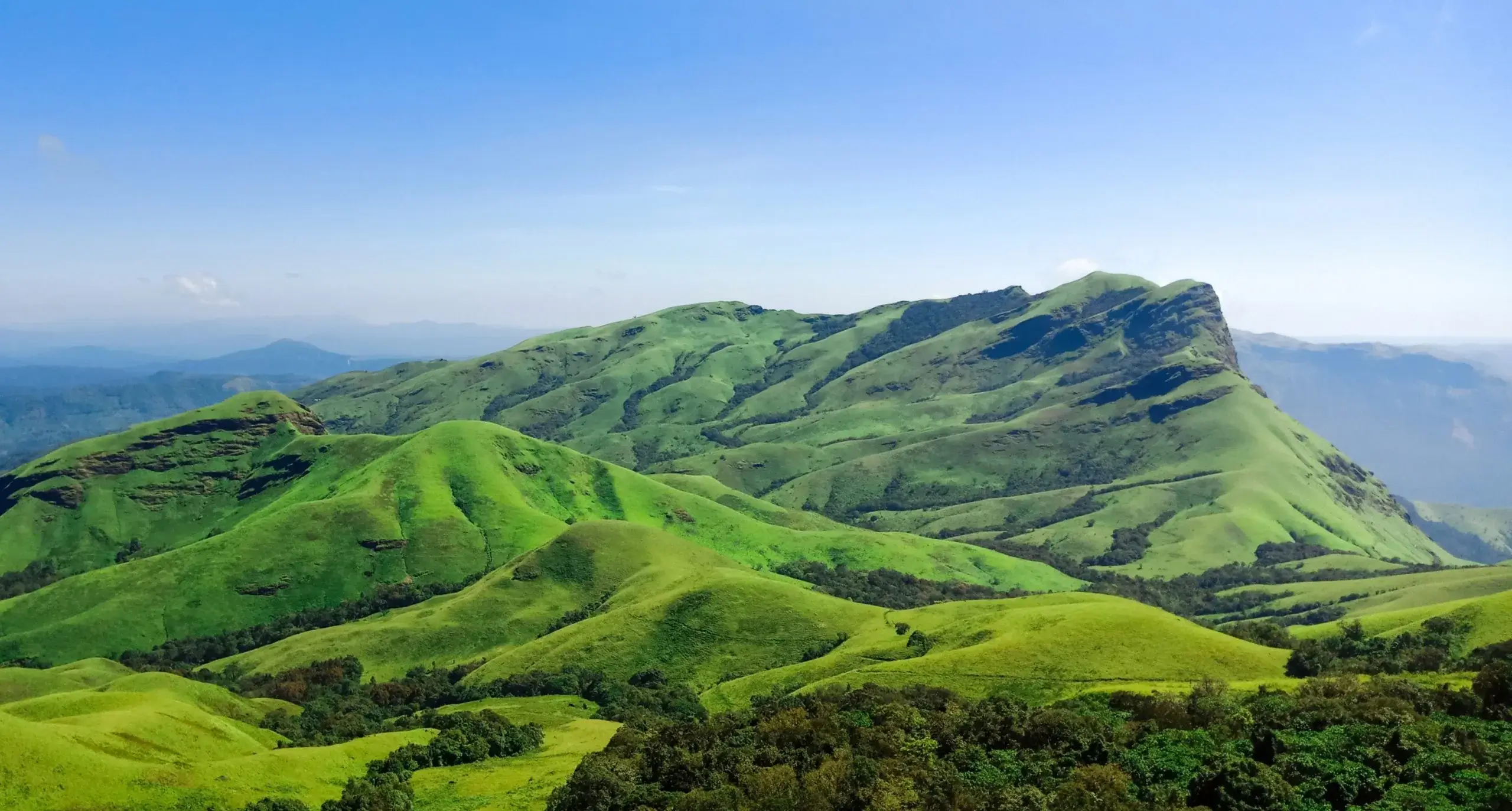
Kudremukh National Park is one of the best weekend retreats situated in the Western Ghats of Karnataka. It is the perfect weekend retreat for adventure and nature lovers. The diverse wildlife, lush landscapes, and scenic trekking routes make for a scenic escape from routine urban life. The park is home to many rolling hills, dense forests, and the beautiful Kudremukh peak.
The serene environment and its proximity to Bangalore offer a refreshing break, making it ideal for nature, relaxation, and adventure.
How to Reach Kudremukh National Park?
Kudremukh is accessible from major towns like Bangalore (350 km away) or Mangalore (100 km), the nearest city to Kudremukh National Park. From Mysore, Kalasa, and Udupi too, you can read about this national park. From all these places, you can reach the park using a bus, as all these cities provide daily bus routes. There is no direct flight or train to the biodiversity region.
Kudremukh National Park FAQs
How do I get a permit to trek in Kudremukh National Park?
A trekking permit before entering Kudremukh National Park for trekking is mandatory. To get the permit, you can head to the reserve forest office in Kudremukh town. Obtain authorisation from the office and also hire a guide if you require one. You cannot camp on the national park grounds; if you do, you will have to face consequences.
What is Kudremukh National Park famous for?
Kudremukh National Park is home to many animals, including the endangered macaque, spotted deer, barking deer, ferocious leopard, sambar, sloth bear, tiger, and massive flying squirrels. It is famous because of the many endangered, rare, economically and medicinally valuable flora species.
What are the popular trekking routes in Kudremukh National Park?
Kudremukh National Park is known for its impressive trails, ideal for walking, hiking, and birding. Most of these trails are easy to head to. Here are the most popular trekking routes:
- Kudremukh Trek: It is a 17.4 km long trail near Mudigere, Karnataka. It is known for being a great ground for birding and camping.
- Netravati Peak trek: If you are looking for a challenging trek, a trek to Netravati Peak can be a great option. The distance is 7.6 km and is an ideal option for backpacking.
- Jamalabad Fort: It is an ancient hilltop fort built in 1792. It was built by Tipu Sultan and is an ideal walking trek. It is graded as a moderately challenging trek, and you can visit it anytime.
- Bandeja Falls: Another challenging trek to try is the Bandeja Falls. It is a 10-km-long trail where you will be engulfed by lush greenery on all sides.
Is camping allowed in Kudremukh National Park?
Kudremukh National Park does not allow trekkers or tourists opting for safaris to camp here. It is strictly prohibited, and if you try to camp here, you will face severe consequences.
Are there any safari options available in Kudremukh?
Yes, Kudremukh National Park has one safari available—a wildlife safari. This safari lets you explore the park, home to a variety of fauna like leopard, tiger, wild dog, sloth bear, common langur, and more. So, you can see plenty of species here. Moreover, the safari will also expose you to over 200 bird species. The price for safari is INR 200 (Indians) and INR 1000 (Foreign nationals) per person.
What kind of wildlife can I see in Kudremukh National Park?
Kudremukh National Park’s animal variety is quite diverse. The wildlife residing in the deep-dense forests includes the leaping leopard, endangered lion-tailed macaque, spotted deer, langur, sloth bear, sambar, giant-flying squirrels, and more. Moreover, you will also find seven vulnerable and three endemic amphibian species. Lastly, the wildlife here also includes reptiles.
What should I bring for a trek in Kudremukh?
- A single backpack
- Study hiking sandals or shoes with good grip and carry socks too.
- Spare clothes, towels, and toiletries
- Water bottles: 2 liters
- Sunglasses/Hat/Cap
- Fruits, energy bars, and snacks
- ID Proof
Are there any restrictions or rules for visitors?
One of the main rules or restrictions at Kudremukh National Park is that no trekkers or visitors can camp here. If you do, you will have to face consequences. It is best to book a homestay. Also, do not litter or disturb the ecosystem during treks or safaris. Lastly, you can trek or head for a safari here without permits. All this is done to protect the rich biodiversity here.
Can I take photographs inside Kudremukh National Park?
Yes, taking photography inside Kudremukh National Park is allowed, but you do need permission for the same. The forest department of Karnataka is the organization to take permission from.
Is Kudremukh National Park suitable for family trips?
Kudremukh National Park is suitable for family trips. Located in Chikmagalur, it is known for its beautiful trails, like trekking to Netravati Peak or Kudremukh Peak. Apart from this, the best thing about this is the wildlife safari. Kudremukh National Park safari is great for kids as they will see different animals like tigers, elephants, sambar deer, spotted deer, and more.
What kind of vegetation can be found in Kudremukh?
The vegetation in Kudremukh Park includes six broad vegetation types. These are primary evergreen forests, secondary evergreen forests, semi-evergreen forests, evergreen forests, shola forests, and high-altitude grasslands. There are 897 species of plants here, along with 12 sub-species and 34 varieties.
How far is Kudremukh National Park from major cities in Karnataka?
Here is the distance guide to Kudremukh National Park from major Karnataka cities.
- 350 km from Bangalore
- 111.6 km from Mangalore
- 262.2 km from Mysore
- 106.4 km from Chikmagulur.
- 103.4 km from Udupi.
More to explore
Other Kudremukh National Park Treks